

Water can be a mesmerizing source of joy and play for babies, but it also holds hidden dangers that parents and caregivers must be aware of. Water safety is a topic that’s of utmost importance for new parents, swimming instructors, and baby care experts. Understanding how to keep babies safe around water is crucial, not only for peace of mind but also for preventing tragic accidents. In this blog post, we’ll explore the essentials of water safety for babies, including vital information, tips, and best practices that will help keep your little ones safe in pools and baths.

Understanding the Risks
Water may seem harmless, but it poses real dangers, especially for babies. Babies can drown in as little as an inch of water, making vigilance a necessity during bath and pool times. According to the World Health Organization, drowning is one of the leading causes of accidental death in children under five years old. Sadly, many of these incidents occur in familiar settings like bathtubs or backyard pools.
Parents and caregivers must be informed about the potential risks and understand that drowning can happen silently and swiftly. The disturbing truth about children and drowning is that it often happens when least expected. Therefore, knowing the risks associated with water can significantly reduce the chances of such unfortunate events.
Safety Precautions for Pool Time
Taking your baby to the pool can be a source of endless fun, but it also requires a set of careful safety measures. First and foremost, ensure the pool environment is secure with barriers or fences with self-latching gates. Always supervise your baby closely, keeping them within an arm’s reach at all times.
Swimming lessons specifically designed for infants can be beneficial. These lessons introduce babies to water in a safe and controlled environment while teaching them basic water safety skills. Remember that swim lessons are not a substitute for supervision. They are an added layer of security. Always stay attentive and avoid distractions like mobile phones or conversations that can divert your focus from your baby.
Bath Safety Measures
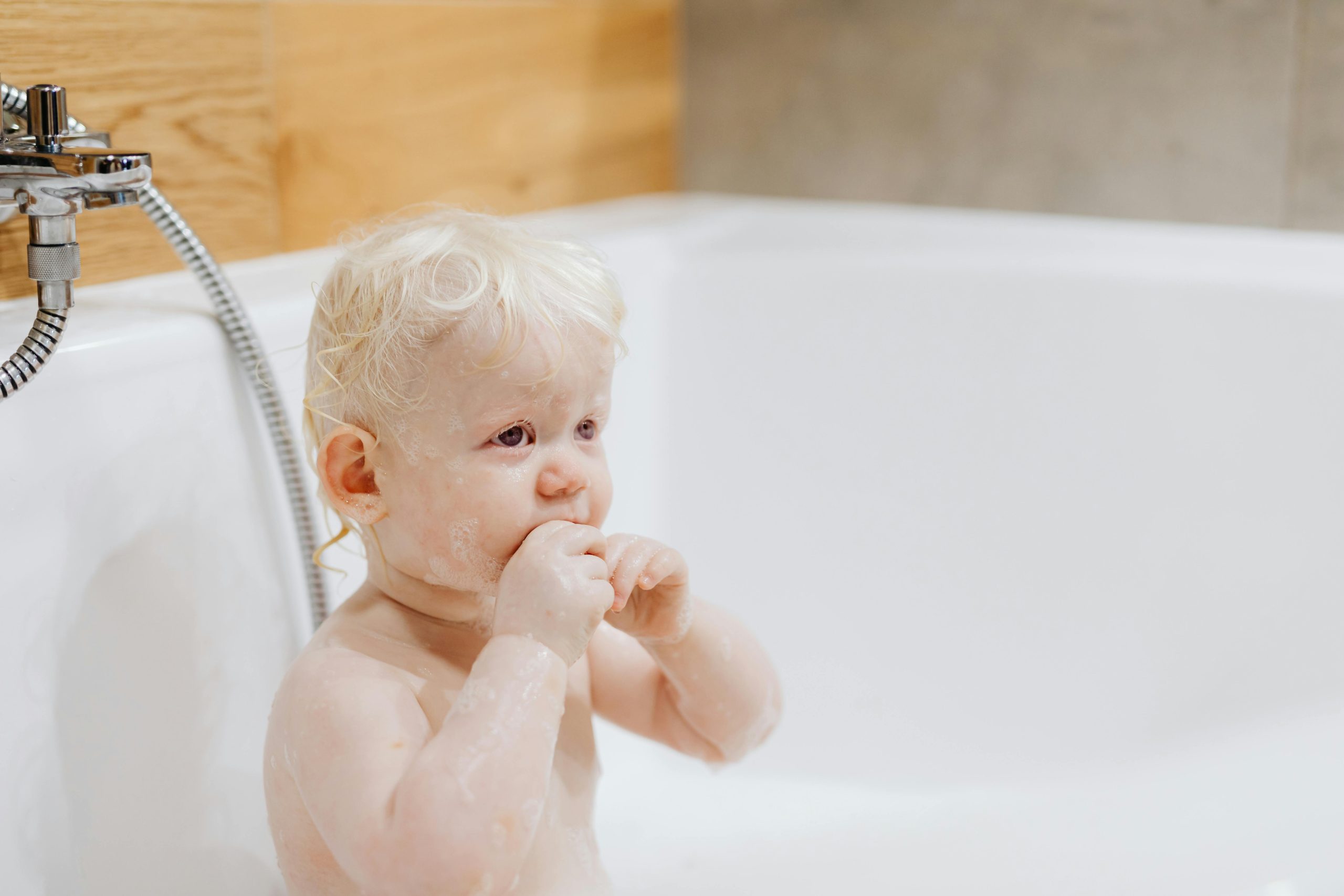
Bath time is an enjoyable, bonding experience for both parents and babies. However, it necessitates strict safety precautions. Never leave your baby unattended in the bath, even for a moment. Babies can tip over quickly, and their small size makes them vulnerable to drowning in shallow water.
To prevent accidents, always gather all necessary bath supplies beforehand so you can stay by your baby’s side. Consider baby-proofing your bathroom with non-slip mats and faucet covers to reduce risks. Running cold water first and then adjusting with warm water to prevent scalding is also a good practice.
Essential Gear for Water Safety
Using appropriate safety gear can further minimize risks around water. For pool time, flotation devices like swim vests or arm bands are essential but should never replace supervision. When selecting the best swim float for an 18-month-old, prioritize products that meet safety standards and fit your baby comfortably.
Additionally, toys designed for water play can encourage positive interactions with water but should be free from small, detachable parts that pose choking hazards. Always choose quality gear endorsed by child safety experts to ensure your baby’s protection.
Responding to Emergencies
Despite all precautions, accidents can happen, and being prepared to respond effectively is crucial. In case of a water emergency, act quickly by removing the baby from the water and calling emergency services immediately. Begin CPR if you are trained, as every second counts in such situations.
Parents and caregivers should consider undergoing CPR and first aid training to equip themselves for emergencies. Understanding the correct procedures can be the difference between life and death and provides an added layer of confidence when around water.
Conclusion
Water safety for babies is a critical concern that requires constant attention and adherence to safety measures. By understanding the risks, implementing safety precautions, and preparing for emergencies, parents and caregivers can create a safe environment for their babies to enjoy water play.
Staying informed and vigilant is key to ensuring your little ones’ safety in pools and baths. For those interested in furthering their knowledge, consider enrolling in infant swimming classes or reading additional resources on water safety activities for preschoolers and children’s water safety activities.
Take action today to safeguard your child’s future, because when it comes to water safety, you can never be too prepared.

