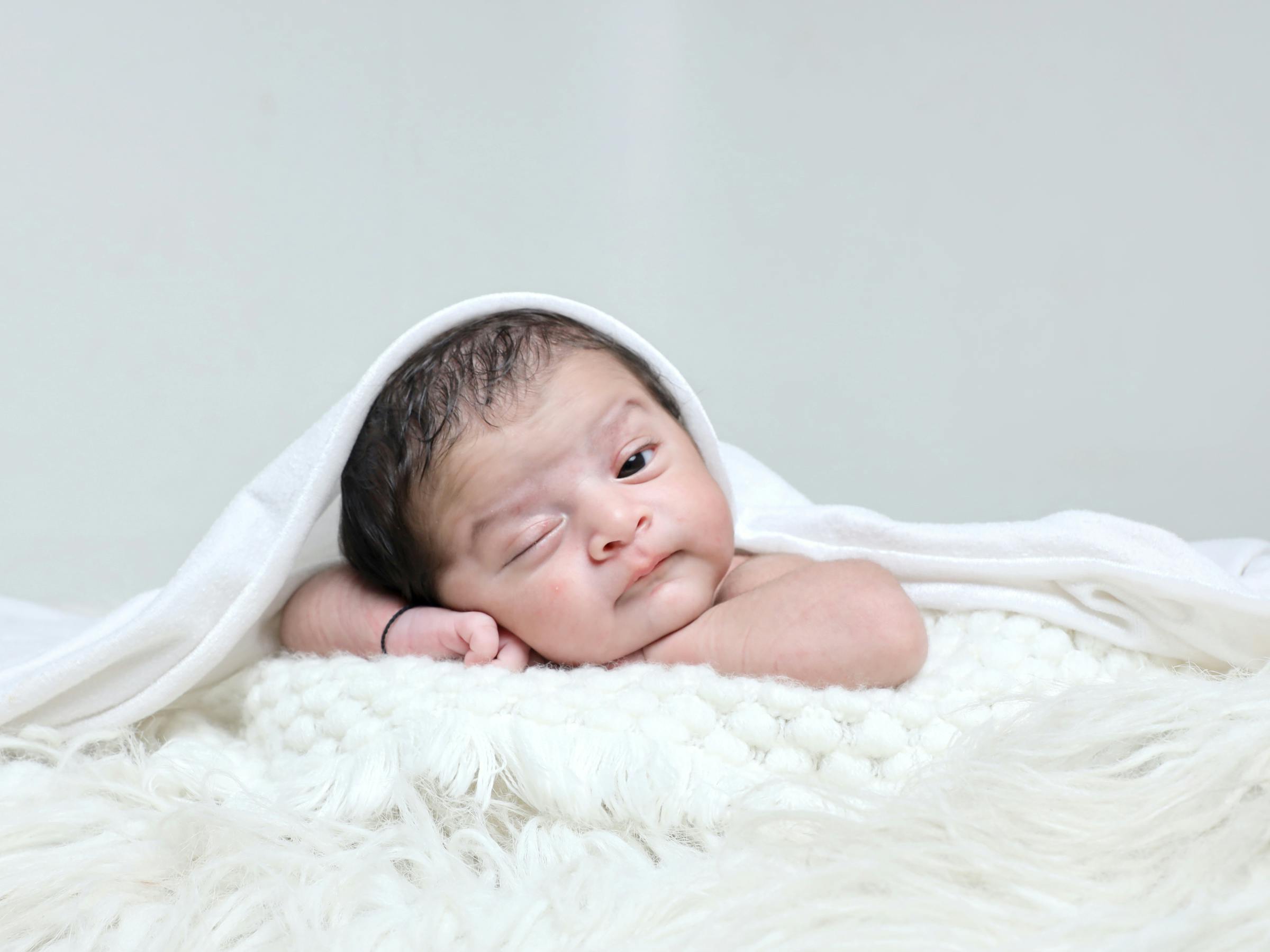
Few sights are as heartwarming as your newborn gently smiling in their sleep. It’s one of those magical moments that make sleepless nights worthwhile. But, have you ever wondered why newborns smile in their sleep? Is it a reflex? A budding emotion? Or are they dreaming of something cute?
If you’re a curious parent or a family blogger, this article dives deep into the reasons behind your baby’s beautiful expressions, blending science with a sprinkle of wonder, and tips on capturing these precious moments for keepsakes.
Types of Smiles in Newborns
Before we explore why babies smile, it’s important to know that not all smiles are the same. For newborns, there are primarily two types of smiles:
1. Reflex Smiles
Reflex smiles are involuntary and mainly occur during the first few weeks of life. These are prompted by neurological activity and aren’t necessarily tied to any external stimulus, like a funny face or a soothing voice.
Dr. Emily Brown, Pediatric Neurologist, explains, “Reflex smiles are a natural response of a developing brain. They showcase a newborn’s ongoing neurological growth and are great indicators of overall health.”
2. Social Smiles
The all-important “social smile” typically emerges between 6 to 12 weeks of age. This is when babies start responding to things they enjoy—your silly dance moves, their favorite lullaby, or even the sight of a familiar face. These smiles are emotional and signify the beginning of their social and emotional development.
According to Prof. Alex Johnson, a Child Development Specialist, “The first social smile is often seen as a milestone, representing a baby’s ability to interact and express joy.”
The Science Behind Sleep Smiles
Newborns spend a significant part of their early weeks sleeping, often in a stage called REM sleep (Rapid Eye Movement).
REM sleep is where dreaming happens, even for your little one! While researchers debate exactly what newborns dream about, it’s believed that their experiences—like the sound of your voice or the comfort of being held—can translate into dream-like sensations that may prompt a smile.
Infant Dreaming Studies
A study on neonatal brain activity found that REM sleep plays a crucial role in brain development during an infant’s early months. Smiles during sleep could be triggered by this subconscious activity, as their tiny minds process and adapt to the new world around them.
Dr. Jane Smith, a Pediatrician, notes, “A newborn’s sleep smile is a reflection of the amazing neurological development that’s happening every moment.”
Why Do Babies Smile in Their Sleep?
Here are key reasons behind those dreamy grins:
- Neurological Development
Sleep smiles often stem from the nervous system at work. When the brain signals random facial muscles to activate, you get that charming little reflex smile.
- Comfort and Security
Feeling safe, warm, and held might translate into feelings of contentment during sleep. This sense of well-being might just result in a smile.
- REM Sleep Activity
Most, if not all, newborn smiles during sleep occur in the REM stage. Their growing brains are storing memories and processing stimuli from the day—think of it like a baby form of dreaming.
- Facial Muscle Practice
Babies are constantly training their bodies, even during sleep! Smiling helps them exercise facial muscles crucial for later expressions.
Reflex Smiles vs. Social Smiles While Sleeping
Wondering if your baby is practicing early social skills in their sleep? Here’s how to differentiate:
- Reflex Smiles are usually unprovoked and seem random. They often occur during the newborn stage and serve as a reflex tied to brain development.
- Social Smiles are more purposeful. If you catch your baby smiling in sleep after a day of kisses and cuddles, it might be their way of connecting emotionally.
FAQs About Sleep Smiles
- Do autistic babies smile?
Yes, autistic babies generally smile, though the frequency or triggers may differ. Smiling is only one of many developmental markers, and every baby is unique.
- Can a baby with brain damage smile?
Yes, reflex smiles are controlled by the brainstem’s activity and can still occur in cases of neurological injury. Consult a pediatric neurologist for a tailored evaluation.
The Role of Dreaming in Newborn Sleep and Smiling
While adults dream in narratives, babies’ dreams are simpler flashes of emotions, sensations, and images. Remember, they’re processing this big, new world! These dreams likely cause the bursts of delight we interpret as sleep smiles.
Insights from Experts
Lily Garcia, a parenting blogger and pediatric nurse, notes, “When parents see sleep smiles, it’s a glimpse of the amazing inner workings of their baby’s developing mind. And yes, it’s absolutely magical.”
Tips for Capturing Sleep Smiles
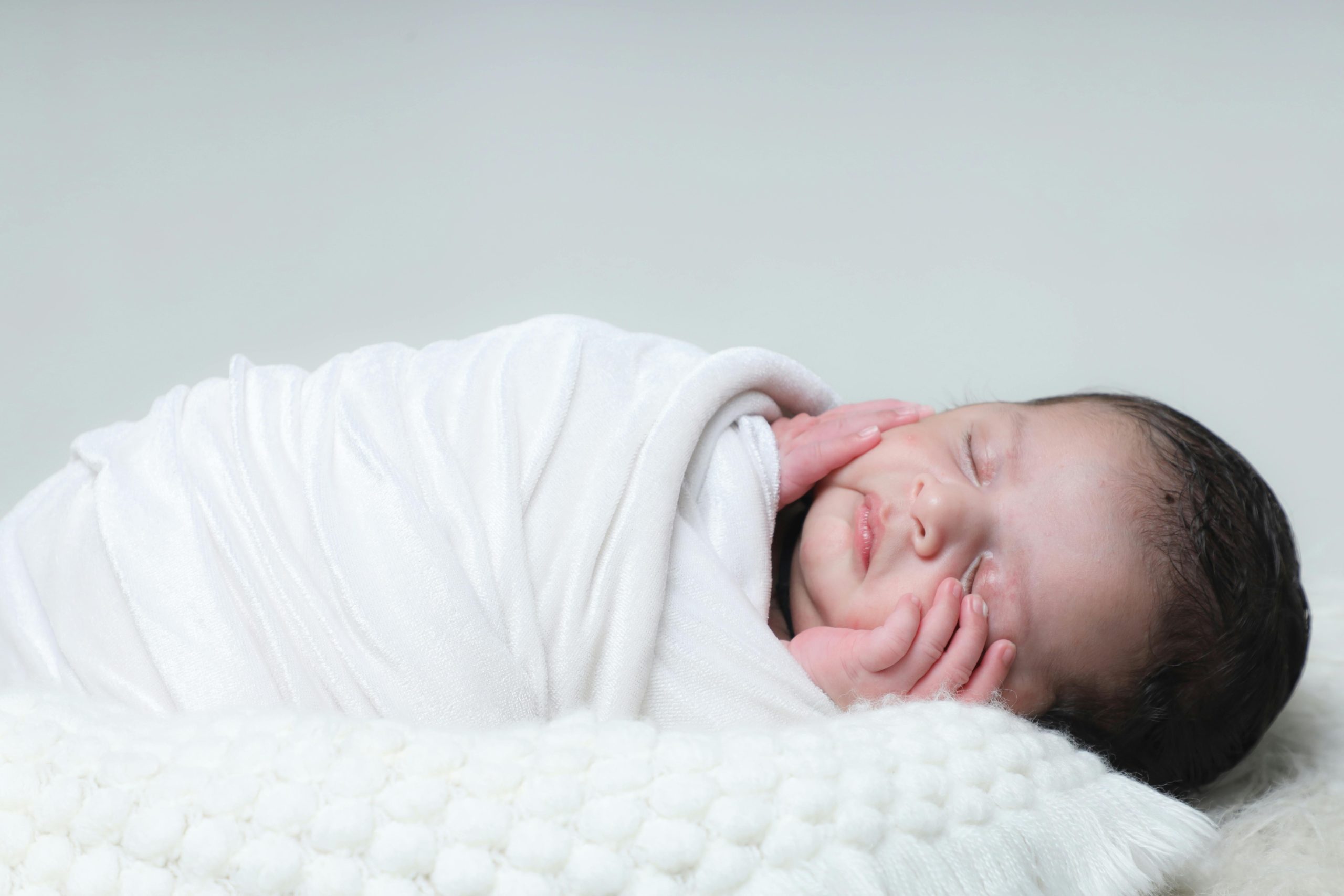
Those baby smiles are fleeting, so be prepared to capture them before they pass. Here are some tips:
- Have Your Camera On Hand
Newborns are unpredictable. Keep your phone or camera charged and close whenever your baby naps.
- Natural Light Does Wonders
Photograph your baby near a window during the day for soft, natural lighting.
- Take Multiple Shots
Babies move fast—even in sleep. Use burst mode to capture several images at once.
- Use Props for Added Charm
Place a soft blanket or cuddly toy in the frame to enhance the memory.
- Be Patient
Sleep smiles happen when you least expect it, so give it time.
Witnessing the First Smiles Is a Joy Like No Other
Every parent treasures the first smiles of their newborn, even if they happen during sleep. Whether it’s a reflex, a tiny dream, or practice for a big social grin later, these moments represent the magic of a baby’s early life.
Understanding why babies smile in their sleep helps us appreciate just how incredible infant development is—a reminder of the beauty and complexity of growing minds.
So, grab your camera, cherish these fleeting moments, and share your baby’s adorable smiles with us! Tag #CapturingBabyMoments on social media to join our community of smiling little ones. Because no matter the science, every smile is pure magic.